Metabolic pathways scientific illustration

Core Principles of Nutrition and Body Weight Dynamics

Educational content only. No promises of outcomes.

Explore the foundational concepts of human energy metabolism, nutrient roles, and physiological feedback systems.

Energy Metabolism Fundamentals

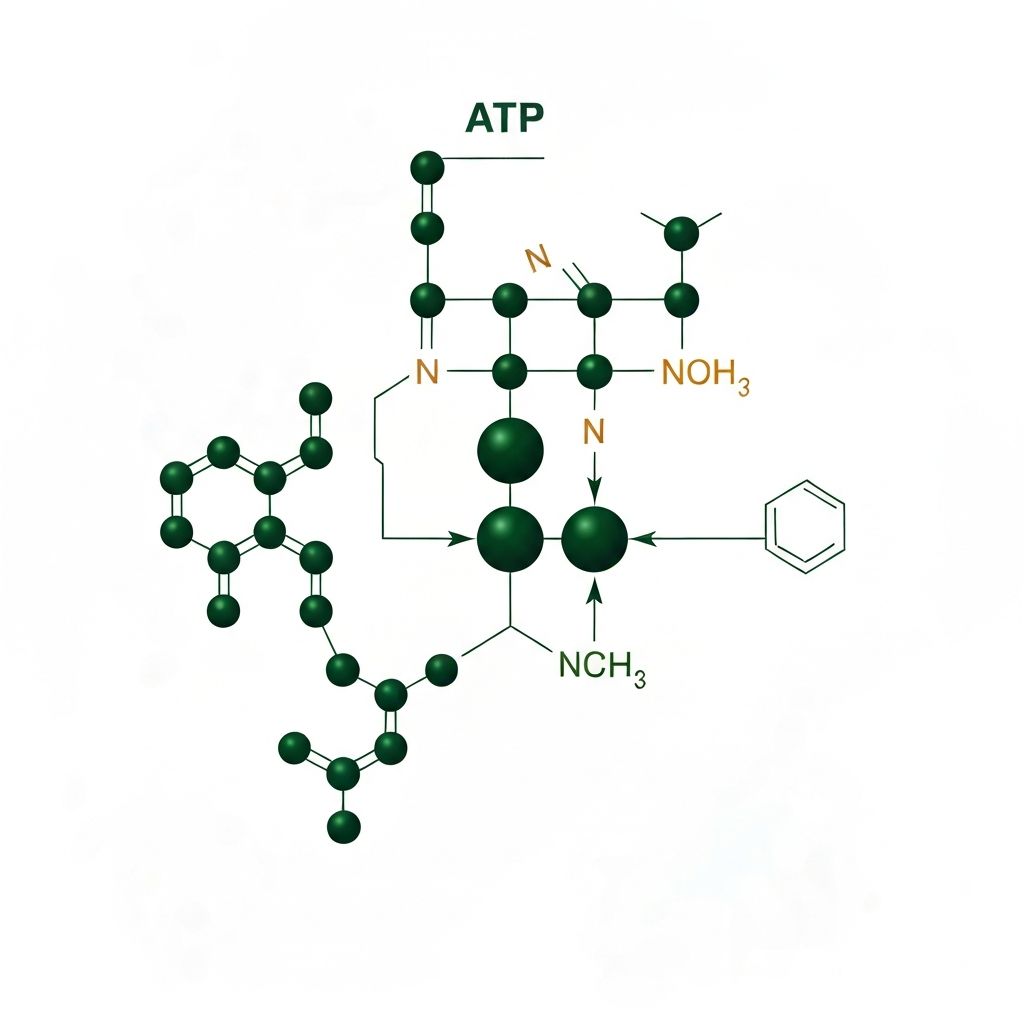
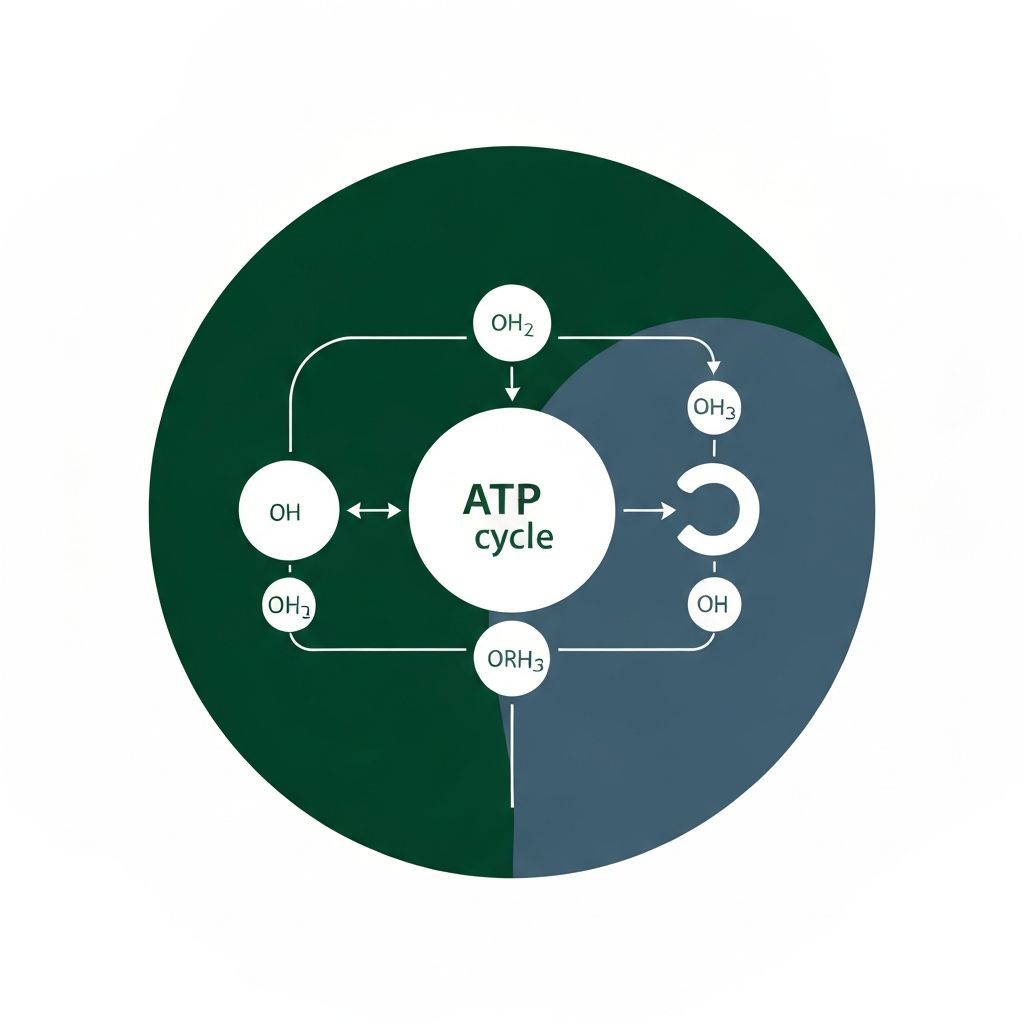
Energy metabolism forms the core of understanding how the human body processes fuel. ATP (adenosine triphosphate) serves as the universal currency of cellular energy, enabling every biological process from muscle contraction to protein synthesis.

The body's ability to generate and utilize ATP depends on the efficiency of metabolic pathways. These include aerobic respiration, which occurs in mitochondria, and anaerobic processes that occur during high-intensity activities. Understanding these pathways provides insight into how different nutrients contribute to energy production.

The basal metabolic rate (BMR)—the energy required for basic physiological functions at rest—varies among individuals based on factors such as age, body composition, and hormonal status. This foundational concept helps explain why energy expenditure differs across populations.

ATP energy cycle illustration
Macronutrients - whole grains, legumes, nuts, and seeds

Macronutrient Core Roles

Carbohydrates serve as the primary fuel source for the brain and muscles. They are broken down into glucose, which enters glycolysis and feeds into the ATP production cycle. Carbohydrate quality—such as whole grains versus refined sources—affects the rate of glucose absorption and metabolic markers.

Proteins function as structural and enzymatic molecules essential for tissue repair, immune function, and hormone synthesis. While proteins can contribute to energy production, their primary role relates to maintaining and building lean mass. Different protein sources vary in amino acid composition and digestibility.

Fats provide the highest energy density of macronutrients and play crucial roles in hormone production, nutrient absorption, and cell membrane integrity. Fatty acid composition—saturated, monounsaturated, and polyunsaturated—influences how fats affect various metabolic markers.

Appetite Regulation Loops

The body employs multiple physiological feedback mechanisms to regulate energy intake. These systems operate across different time scales and involve various hormonal and neural signals. Understanding these loops provides context for why eating behavior varies among individuals and in different nutritional states.

Short-Term Satiety Signals

Mechanical stretch in the stomach and nutrient-specific signals (CCK, GLP-1) provide rapid feedback about meal size and composition. These signals operate primarily during and immediately after eating, influencing meal termination.

Long-Term Energy Signaling

Leptin, produced by adipose tissue, provides information about total energy stores to the central nervous system. This long-term signal influences appetite, metabolic rate, and reproductive function. Leptin dynamics differ between energy surplus and deficit.

Acute Hunger Signals

Ghrelin, secreted by the stomach, increases appetite and is often elevated during caloric restriction. Its secretion patterns vary based on habitual eating times and metabolic state, creating anticipatory hunger responses.

Hormonal Influences Overview

Insulin regulates post-meal nutrient utilization and storage. It promotes glucose uptake in muscles and adipose tissue and activates lipogenesis (fat synthesis) when energy is abundant. Insulin sensitivity—the ability of cells to respond to insulin—varies across individuals and conditions.

Leptin acts as a long-term energy sensor. In adequate energy states, leptin levels align with body fat stores and signal satiety. In caloric deficit, leptin drops significantly, triggering compensatory increases in appetite and decreases in metabolic rate.

Ghrelin functions as an acute appetite stimulus. It increases before meals and in response to caloric restriction. The interplay between ghrelin and leptin creates a bidirectional appetite regulation system that shifts with nutritional state.

Glucagon promotes glucose output from the liver during fasting states, opposing insulin's effects and maintaining blood glucose for the brain. The insulin-to-glucagon ratio determines whether the body is in a fed or fasted metabolic state.

Hormonal signaling pathways illustration
Diverse fresh vegetables and proteins on plate

Nutrient Timing Basics

The timing and composition of nutrient intake produce acute changes in metabolic markers, hormonal responses, and substrate utilization. These short-term effects illustrate how meal macronutrient balance influences post-meal metabolism.

Carbohydrate-rich meals trigger rapid glucose absorption and insulin secretion, shifting the body toward anabolic (building) processes. The glycemic index of carbohydrates affects the magnitude and duration of this metabolic response.

Protein-rich meals produce thermic effects—the energy cost of digestion and processing—that exceed those of other macronutrients. Protein also promotes amino acid availability for muscle protein synthesis, particularly when consumed post-exercise.

Fat-rich meals slow gastric emptying and promote satiety through CCK release, delaying nutrient absorption. The type of fat consumed influences the inflammatory and hormonal response to the meal.

These acute responses provide a foundation for understanding how meal composition relates to metabolic function, though individual responses vary considerably.

Chronic vs Acute Energy States

The body's metabolic response differs significantly depending on whether energy intake is acutely or chronically altered. Understanding these distinctions provides context for how different nutritional conditions affect human physiology.

Acute Energy Responses

Short-term surplus: Increased insulin, rapid nutrient uptake, and acute increases in fat oxidation capacity. However, these changes do not immediately alter long-term metabolic capacity.

Short-term deficit: Increased lipolysis, elevated cortisol, and increased ghrelin. Metabolic rate remains largely stable during brief underfeeding, and adaptive thermogenesis is minimal.

Chronic Metabolic Adaptation

Prolonged surplus: Increased leptin signals reduce appetite and increase metabolic rate through sympathetic activation. Body composition shifts toward greater fat storage proportion.

Prolonged deficit: Leptin drops significantly, reducing metabolic rate and increasing appetite. The body increases efficiency of nutrient absorption and decreases metabolic processes non-essential for immediate survival.

Individual Variation

The magnitude of metabolic adaptation varies significantly across individuals, influenced by genetic factors, prior nutritional history, age, and physical activity patterns. Understanding this variation helps contextualize why population averages may not apply to specific cases.

Featured Articles

Explore detailed explanations of core nutritional science concepts.

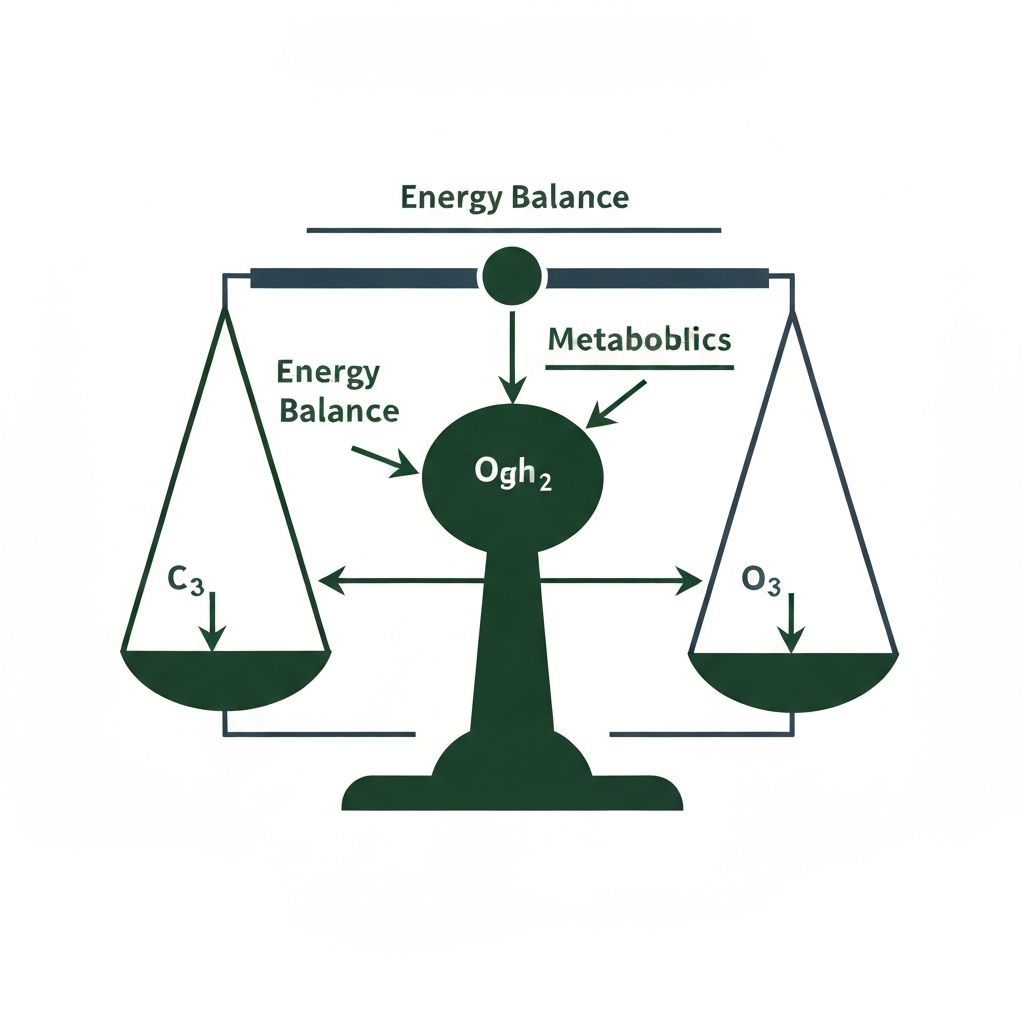
Energy balance scientific diagram

Core Energy Balance Equation Explained

Understand the fundamental components of energy intake, expenditure, and storage, and how these elements interact in the human body's energy regulation system.

Continue reading →
Whole grain bread and berries

Insulin Dynamics in Meal Response

Explore how insulin secretion varies with meal composition and timing, and the physiological mechanisms underlying the post-meal metabolic response.

Continue reading →
Hormonal feedback loops illustration

Leptin and Long-Term Regulation

Understand leptin's role in long-term energy homeostasis, how it responds to changes in body energy stores, and its interactions with other regulatory hormones.

Continue reading →
Explore all articles

Frequently Asked Questions

What is the relationship between energy balance and body composition?

+
Energy balance—the relationship between energy intake and expenditure—determines whether body weight changes. However, the composition of that weight change depends on factors including physical activity patterns, macronutrient distribution, and hormonal status. A given caloric intake distributed differently across macronutrients can produce different metabolic responses.

How do hormonal signals interact to regulate appetite?

+
Appetite regulation involves multiple overlapping systems. Leptin provides long-term signals about energy stores; ghrelin increases acute hunger; and hormones like GLP-1 and CCK promote satiety. These systems work synergistically, with their relative influence depending on feeding state, meal composition, and individual factors like physical activity and sleep.

What is metabolic adaptation and why does it occur?

+
Metabolic adaptation refers to changes in how efficiently the body processes energy in response to sustained changes in energy intake. During prolonged caloric deficit, the body reduces metabolic rate and increases appetite to promote energy conservation—an evolutionary adaptation to food scarcity. The magnitude of this adaptation varies among individuals.

How do different macronutrients affect satiety?

+
Protein has the highest thermic effect and generally promotes satiety through multiple mechanisms. Fats slow gastric emptying and trigger CCK release. Carbohydrates' satiating effects depend on type and fiber content. Individual responses vary, and satiety is influenced by eating behavior, meal environment, and prior dietary patterns.

What is the difference between acute and chronic energy deficit?

+
Acute energy deficit (days to weeks) primarily reduces energy availability without significant metabolic adaptation. Chronic deficit (weeks to months) triggers compensatory mechanisms: reduced metabolic rate, increased hunger, and shifts in substrate utilization. The degree of metabolic adaptation increases over time and varies individually.

How does physical activity influence energy metabolism?

+
Physical activity increases total daily energy expenditure directly through movement and indirectly through recovery processes. Different activity types (strength training vs. endurance) produce different metabolic effects. Activity also influences macronutrient utilization, hormonal status, and long-term metabolic health markers.

What factors determine individual differences in metabolic rate?

+
Metabolic rate varies based on body composition (lean mass is metabolically active), age (metabolic rate declines with age), sex, genetic factors, hormonal status, and physical activity level. Prior nutritional history can also influence metabolic efficiency. These factors explain why energy requirements differ significantly across individuals.

How does the digestive process affect nutrient absorption?

+
Digestion breaks nutrients into absorbable forms. The rate of this process (gastric emptying, small intestinal transit time) varies with meal composition and individual factors. Nutrient bioavailability depends on food form (whole vs. processed), cooking method, and the presence of absorption-enhancing or inhibiting factors.

What is the role of micronutrients in energy metabolism?

+
Micronutrients (vitamins and minerals) function as coenzymes and cofactors in metabolic pathways. B vitamins support energy production; iron enables oxygen transport; zinc supports enzyme function. While micronutrient deficiency impairs metabolism, the relationship between micronutrient status and body composition in adequate populations remains complex.

How do sleep and stress influence energy metabolism and appetite?

+
Sleep deprivation alters leptin and ghrelin balance, typically increasing appetite. Chronic stress elevates cortisol, which influences glucose metabolism and fat distribution. These factors illustrate that energy regulation involves multiple physiological systems beyond simple nutrient balance. Individual responses to sleep and stress vary considerably.

Dive Deeper Into Nutritional Science

Explore comprehensive articles covering core concepts, research evidence, and detailed explanations of metabolic processes.

Explore the science Learn about CoreNutriGuide